
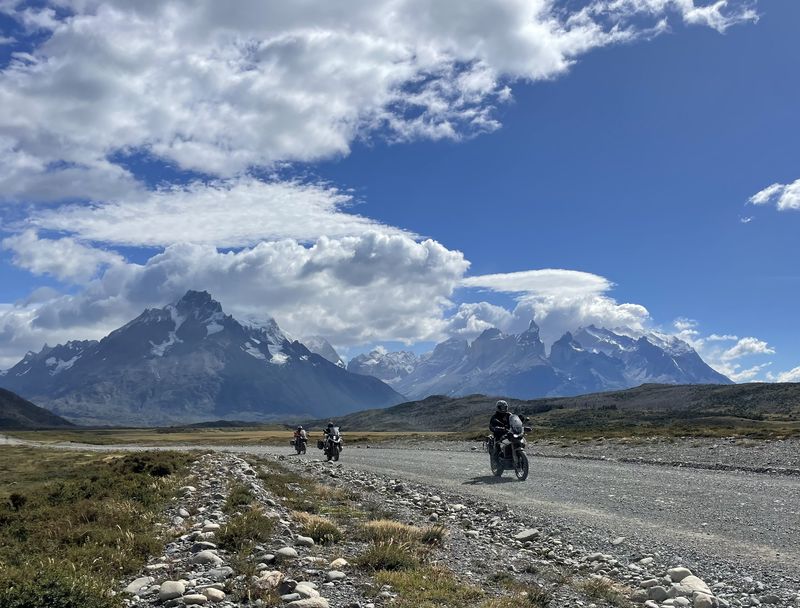
Patagonia is one of the world’s best-known destinations for motorcycle travel. Join us to ride through the Andes, follow Argentina’s legendary Ruta 40 and cross the Strait of Magellan to reach Ushuaia at the southern tip of South America
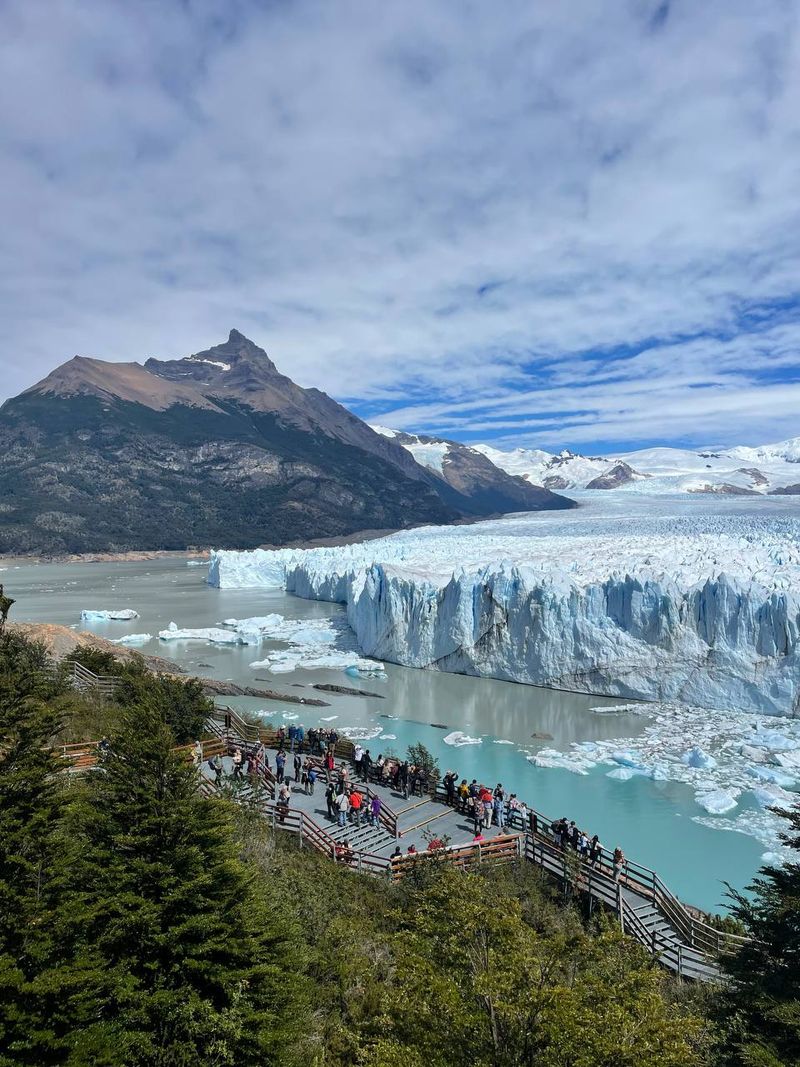
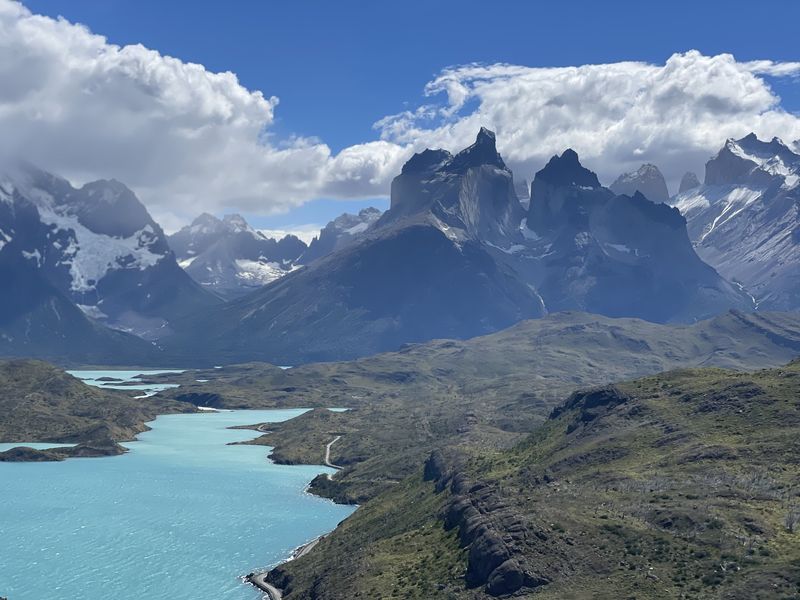
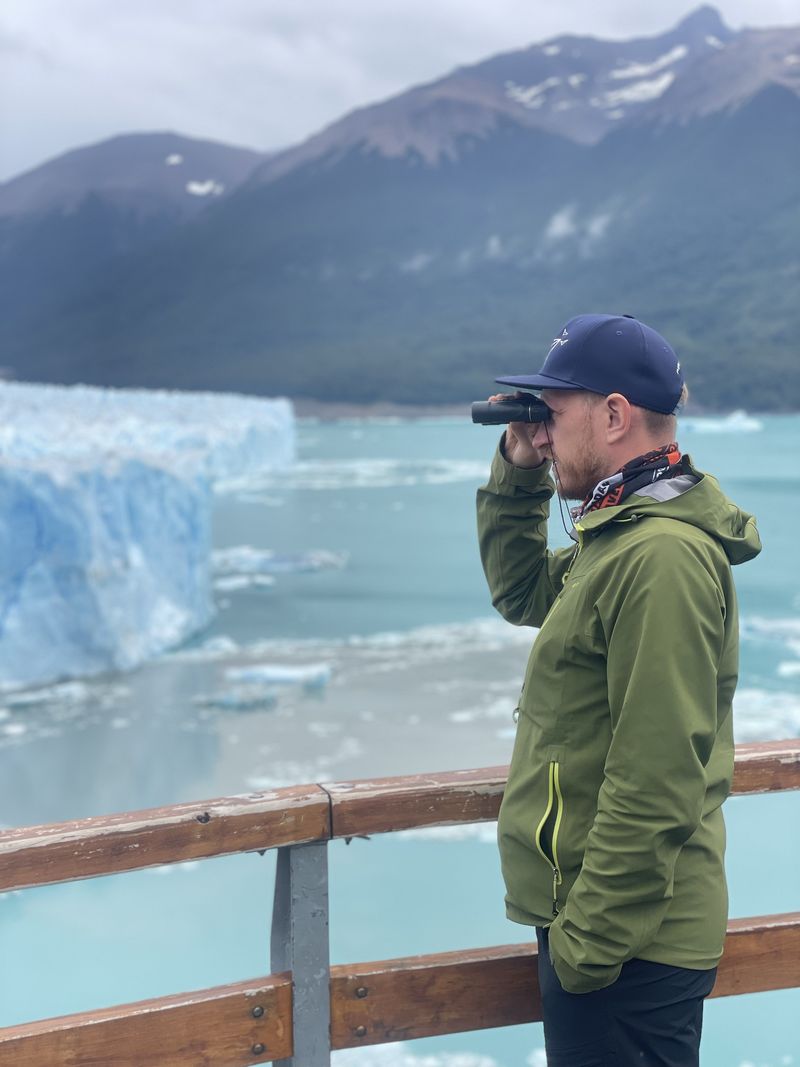
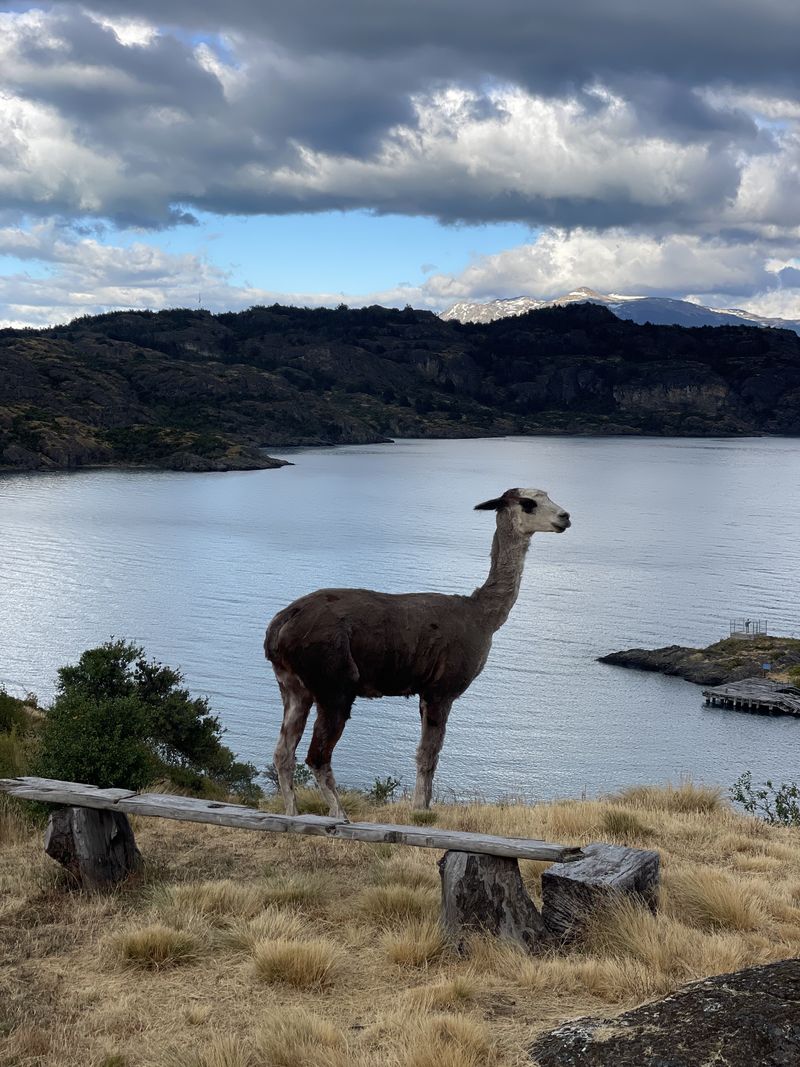
Patagonia is a land of contrasts. On the Chilean side of the Andes, forests crowd the shores of turquoise lakes. Across the mountains in Argentina, the land opens into steppe, where guanacos graze and Andean condors circle overhead. We’ll ride through both countries, following stretches of Argentina’s legendary Ruta 40 and stopping at the Perito Moreno Glacier, where a wall of blue ice meets the lake.
Farther south, we trade the road for a ferry across the Strait of Magellan. For centuries, sailors used this passage between the Atlantic and the Pacific. For us, it’s the crossing to Tierra del Fuego, the archipelago often called the End of the World. Beyond its islands lies the Drake Passage, whose fierce winds and currents have long tested sailors on the waters between South America and Antarctica.
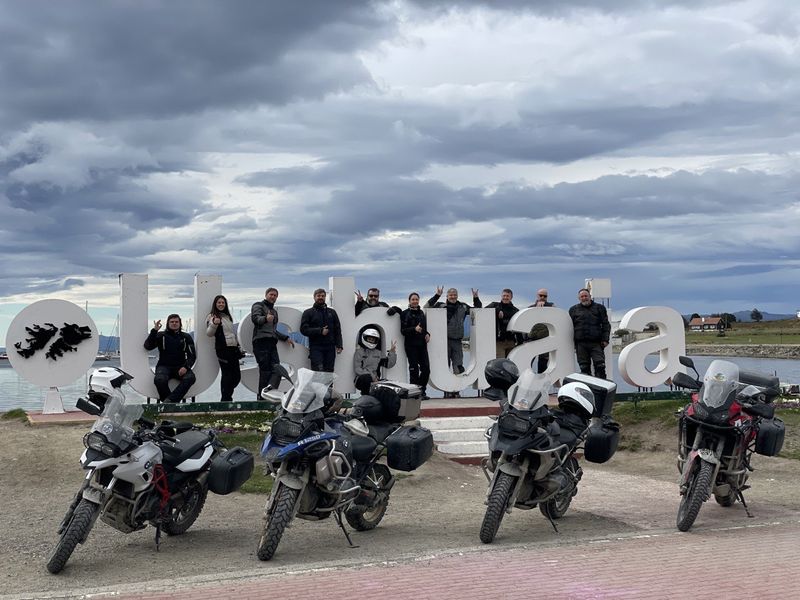
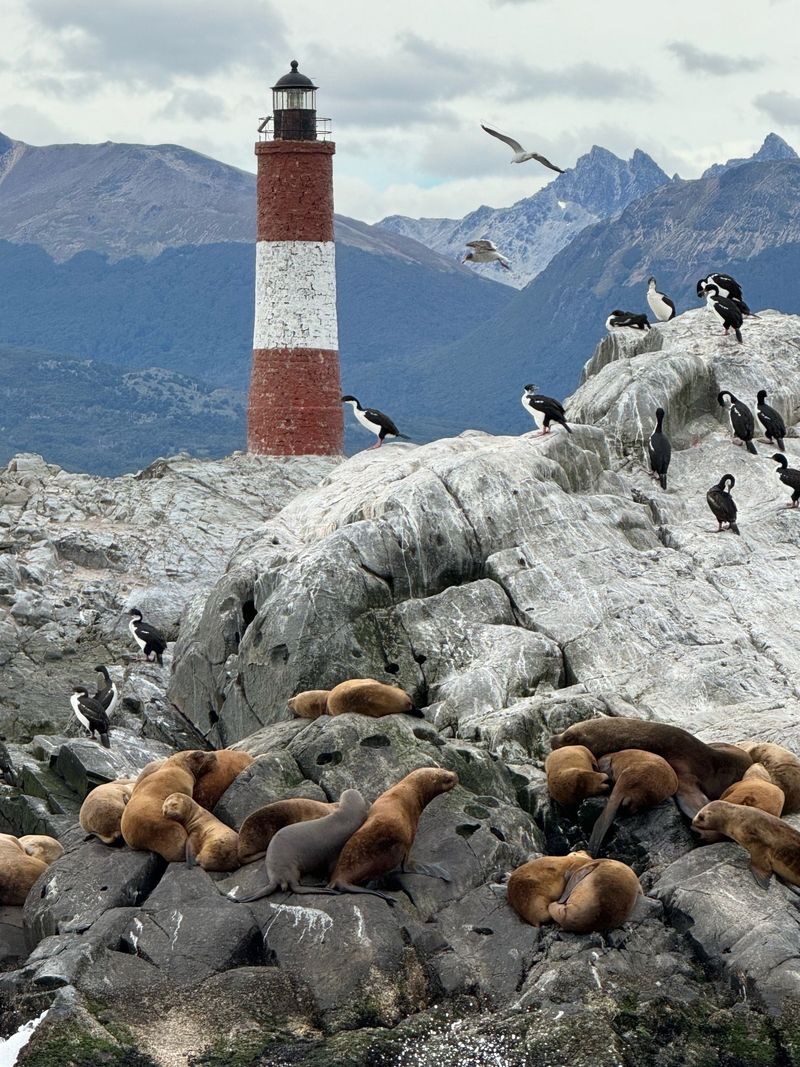
In Ushuaia, we’ll spend a day off the bikes. Take a walk along the waterfront, look out over the Beagle Channel and watch the boats come and go. After days on the road through mountains and open steppe, it’s a good place to slow down and take in how far south we’ve come.
Patagonia Tour Dates and Prices
- Tour dates 2028:
- 5–23 February, Osorno – Ushuaia – Punta Arenas
- 25 February–14 March, Punta Arenas – Ushuaia – Osorno
- Duration: 19 days
- Total mileage: approximately 4,000 km
- Roads: 80% asphalt, 20% unpaved roads
- Tour level: High (mountains, high passes, unpaved roads)
- Price with Triumph 900 rally or Honda Africa Twin 1100: 11 450 EUR
- Price with BMW R1250GS: 12 450 EUR
- Price with BMW R1300GS: 12 950 EUR
- Price for the passenger: 4 950 EUR
- Single room supplement: 2 450 EUR
- Deposit for the motorcycle: 2 000 EUR
The price includes:
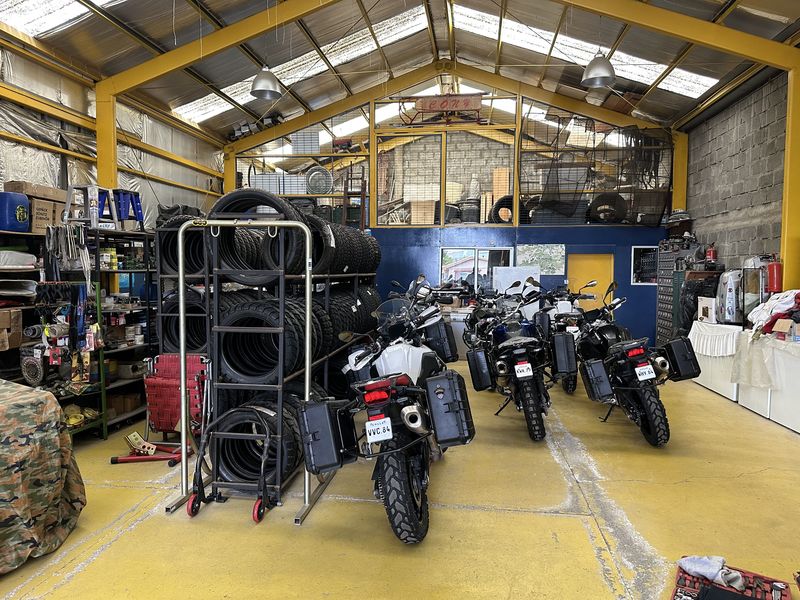
- Motorcycle rental
- Accommodation in 3-4* hotels
- Breakfasts (during all days)
- English-speaking guide on a motorcycle
- Support vehicle assistance
- Entry tickets to the places of interest and excursions with local guides
- Souvenir pack (t-shirt, paper maps, etc.)
- Visa assistance (if needed)
- Transfers
The price does not include:
- Meals (approx. 25 EUR per day)
- Fuel
- Air tickets
Patagonia Route and Map
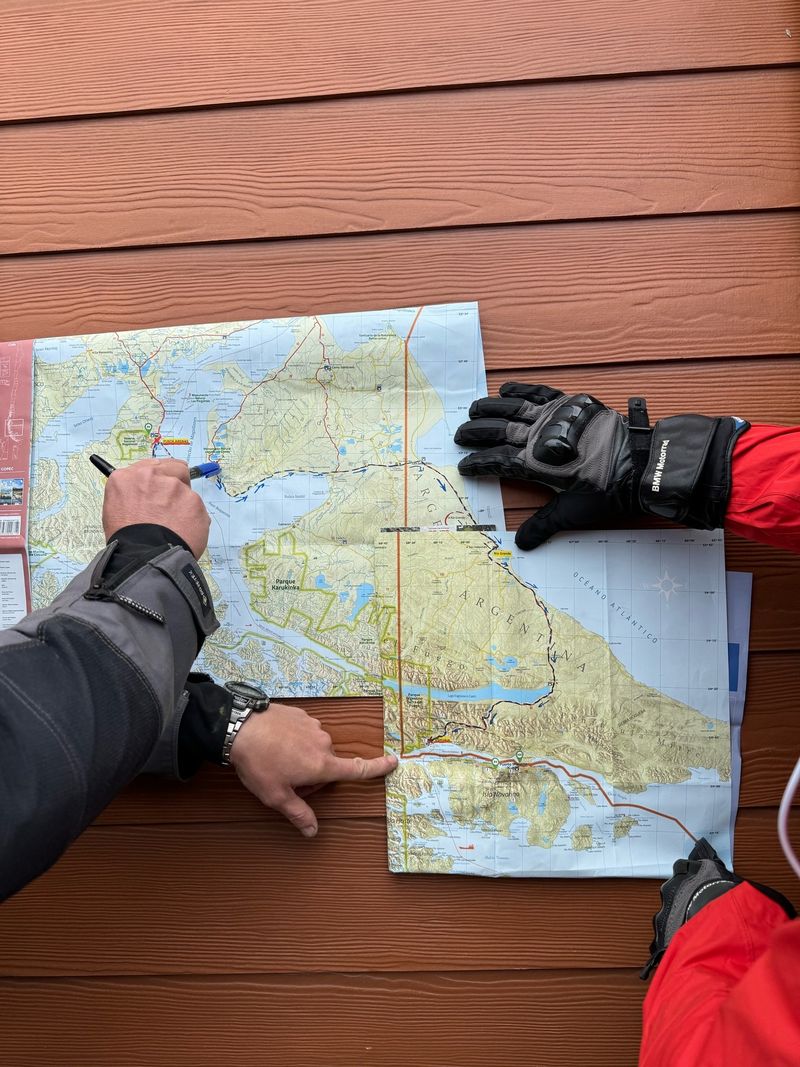
Osorno – San Carlos de Bariloche – Futaleufú – Puyuhuapi – Coyhaique – Puerto Bertrand – Las Horquetas – El Chaltén – El Calafate – Puerto Natales – Cerro Sombrero – Río Grande – Ushuaia – Porvenir – Punta Arenas

Tour Program
Day 1. Osorno (Chile), arrival
Day 2. Osorno – San Carlos de Bariloche, 265 km
The journey begins. We leave Osorno towards the border with Argentina. Having passed the flat part and Lake Puehue located on it, we find ourselves in a mountainous area, which is, in fact, the Andes, but greatly reduced in height.
We ride through the Puyehue National Park and go on to Argentina. Today we cross the border for the first time. There are no particular difficulties in this, in the future we will do this several times.
The most famous road in Argentina is Ruta 40. We ride it, pass by Lake Uyapi (Uapi) and arrive to the city of San Carlos De Bariloche.
This place is famous, first of all, for its unique location, excellent infrastructure and many foreigners/expats who moved here. Migration started to this place since the First World War. Expats made Bariloche what it is now.
Day 3. San Carlos de Bariloche – Futaleufú, 360 km
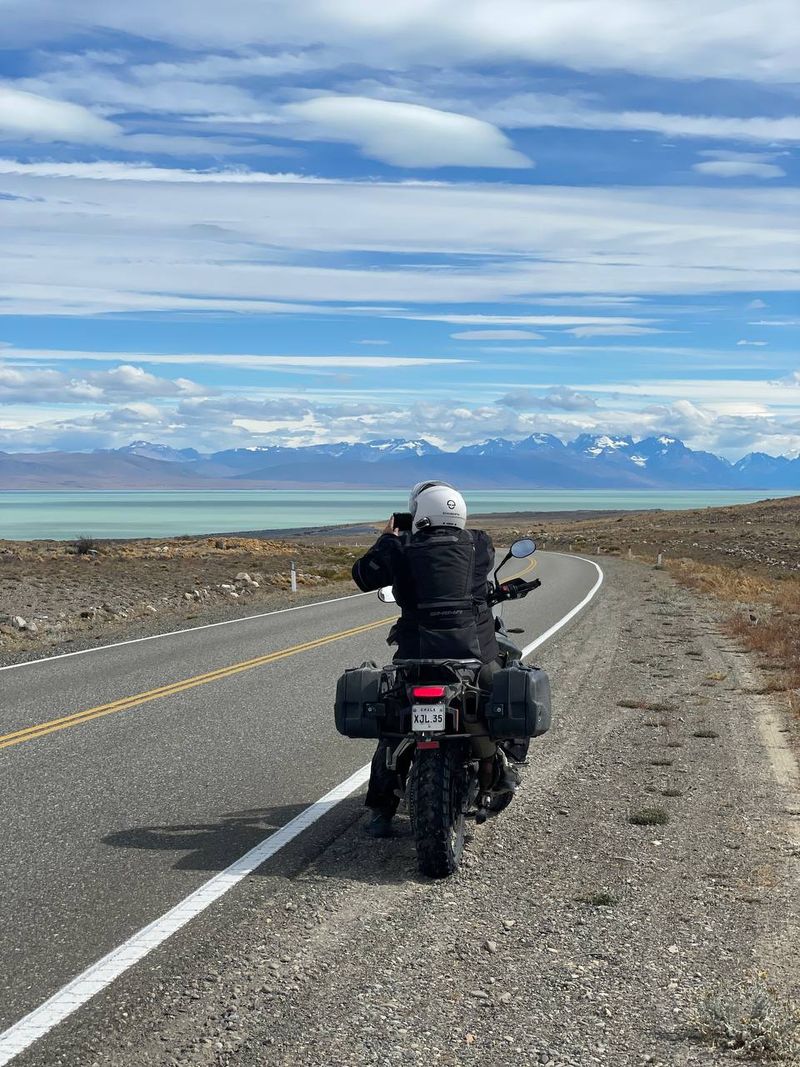
Today we ride all day along Ruta 40. Before El Bolson – the Argentinean city of hippies, we drive through the mountainous areas of the eastern slope of the Andes, we are actually in Patagonia already. The road emerges from the mountains to an endless plain stretching eastward to the Atlantic.
After passing another beautiful Argentine town of Esquel, we turn west and cross the border into Chile again to stop at the small village of Futalefu, located in the lake district of the eastern foothills of the Andes.
Day 4. Futaleufú – Puyuhuapi, 190 km
Today we are riding south through Chile on the famous Carretera Austral, built by General Pinochet. This road is now called Ruta 7.
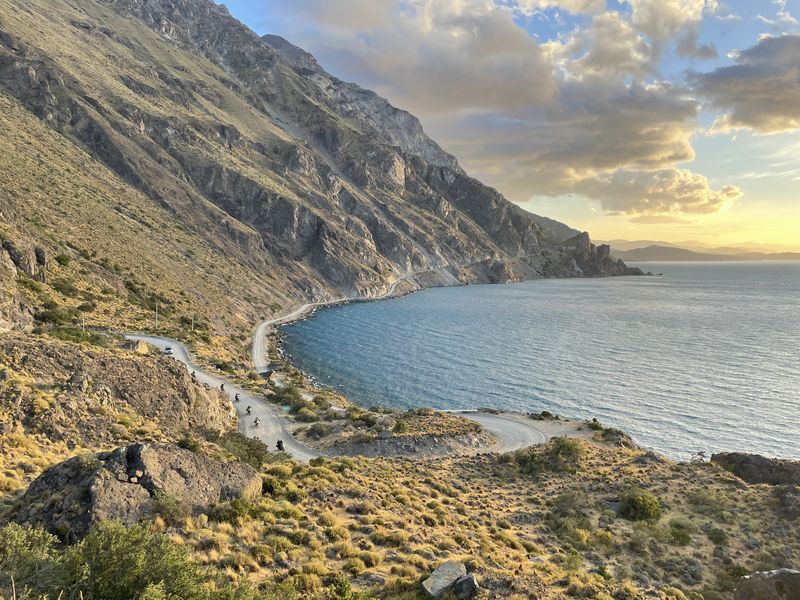
All day long we drive through the mountains along the gorges and river valleys. Fantastically beautiful places, the road sections are gravel and narrow. Despite the abundance of tourists, the territory is so vast that it allows everyone to get lost among the countless fjords, glaciers and ridges.
We will stop for lunch in the village of Puyuuapi on the northern tip of the long Pacific Bay. The snowy peaks here are only 1500-2000m high, and the glaciers descend to the ocean itself, which is facilitated by the cold waters of the Pacifica.
Next, the Austral Highway will take us southeast to the border with Argentina. The next overnight stay is the Chilean town of Coyaic, which is located almost on the Patagonian plain, but is closed from the east by a mountain range with an array of lakes.
Day 5. Puyuhuapi – Coyhaique, 220 km
Day 6. Coyhaique – Puerto Bertrand, 285 km
One more day on Careterra Austral will not seem like too much, you will be waiting for the morning to ride this unique road again. We again go to the mountains through the Cerro Castillo National Park with a view of the peak of the same name.
Ruta 7 is an unusually beautiful, but also difficult road. Its complexity is in the mountainous terrain, cut up and down by lakes, rivers and bays. Officially, it runs almost to the very south of Chile to the town of O'Higgins. Hence, in general, the name Austral, which translates as southern.
We will stop for the night in Puerto Bertrand on the shores of the lake of the same name.
Day 7. Puerto Bertrand, rest day
Day 8. Puerto Bertrand – Las Horquetas, 310 km
After 20 km south of Puerto Bertrand, we turn onto a narrow dirt road to reach the remote border crossing – Paso Rodolfo Roballos. There is only one settlement on this road, and that is at the very beginning.
The road up to Ruta 40 is gravel and quite deserted. The Chilean part of the route is still mountainous. We spend the night right in the Patagonian steppe in a small hotel right on Ruta 40.
Day 9. Las Horquetas – El Chaltén, 350 km
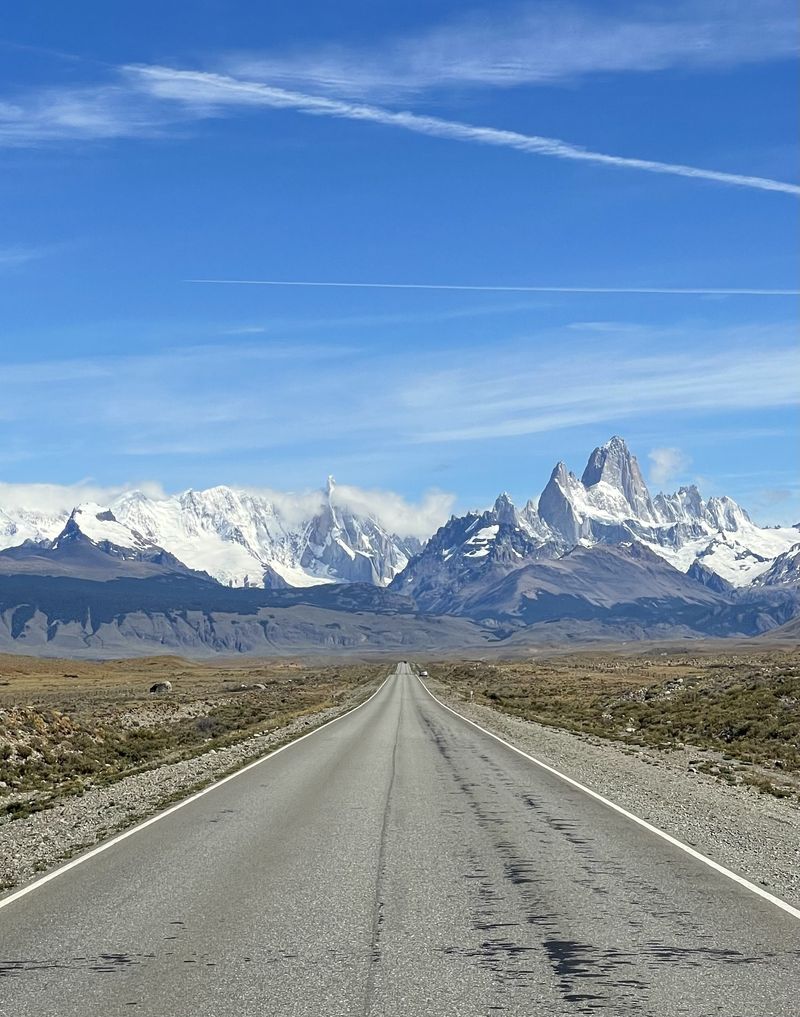
We continue to drive through Patagonia, Ruta 40 in all its charms. There will be few gravel sections. At Tres Lagos, we turn west towards Lake Viedma. The road along the lake is a dead end leading to El Chalten, famous for its view of the peaks and Fitzroy glaciers. We are again going to the mountains to see one of the most beautiful peaks in these parts.
Day 10. El Chaltén – Perito Moreno – El Calafate, 365 km
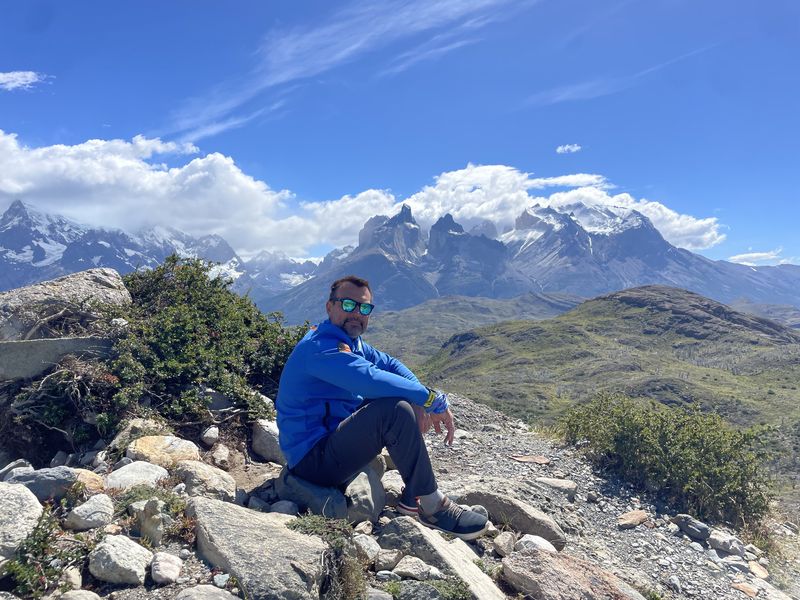
Returning again to Ruta 40, we will continue our journey to the south. However, in no case can we bypass Perito Moreno – a huge moving glacier and Torres Del Paine towering above it. To do this, we need to turn off the main path to the west again and, after passing the town of El Calafate, reach the mouth of the icy river of the world-famous glacier.
The view is absolutely stunning, and with any luck we might see a wall of ice collapse into the water. For the sake of these moments, photographers come from everywhere and are on duty with cameras, so as not to miss the moment of ice melting due to the constant movement of the mass of the glacier.
In the evening, having made a short tour of the national park, we will return to El Calafate, where we will spend the night.
Day 11. El Calafate – Puerto Natales, 275 km
For the fourth day we are driving through Patagonia, and Ruta 40 is still leading us. The road is close to the border with Chile. To the west stretches the vast Rennel archipelago, which is an uninhabited mountain peaks, the foot of which was swallowed up by the Pacific Ocean. Somewhere among them 500 years ago, Magellan wandered in search of an outlet to the Pacific Ocean.
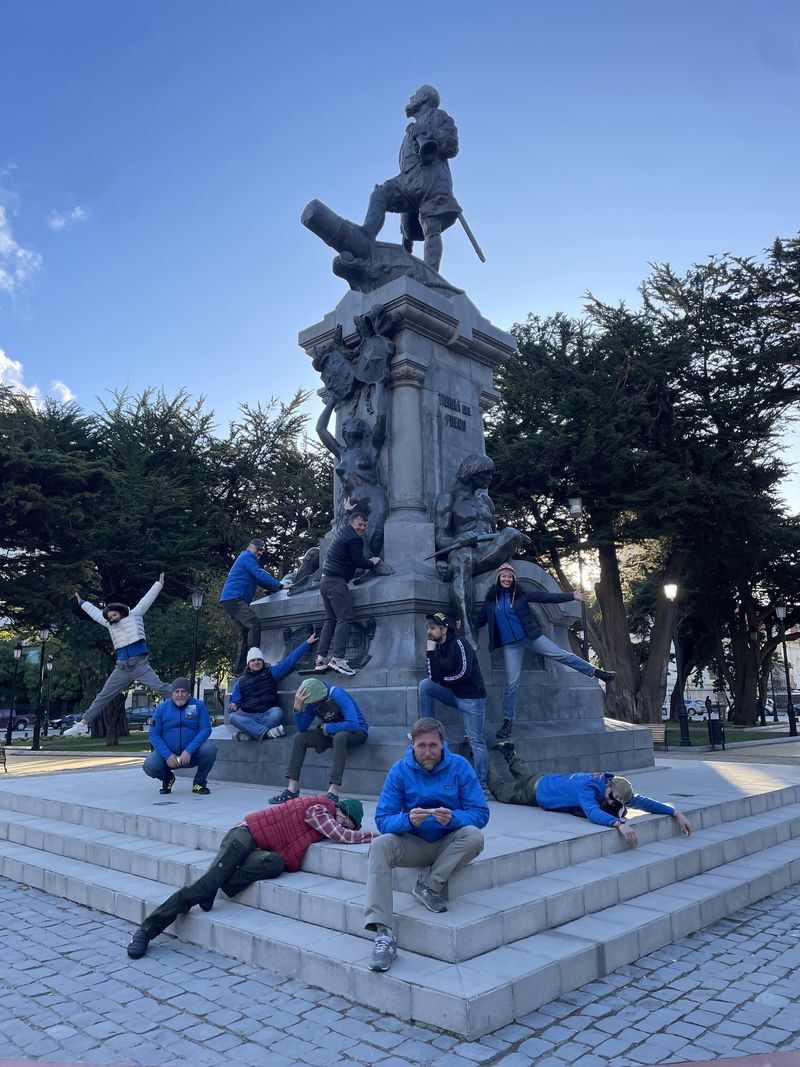
To the east, all the way to the Atlantic, lies the lifeless plateau of southern Patagonia. Even further south, Chile reappears inhabited land, we are at the very southern edge of the earth, the continent as such ends here, further only the islands of Tierra del Fuego and Antarctica.
Taking this opportunity, we leave Argentina and go back to Chile to our overnight stay in the city of Puerto Natales, located on the coast of a very intricate Pacific Bay, Almirante Mont.
Day 12. Puerto Natales, rest day
Day 13. Puerto Natales – Cerro Sombrero, 360 km
The very south of Patagonia is in Chile, we have to cross it to get to the Strait of Magellan.
The territory is lifeless, as elsewhere to the east of the Andes. We drive along Ruta 9 to the Cabeza del Mar lagoon, from where we head west to the strait and the Atlantic Ocean, essentially crossing the southern tip of South America.
Here we can no longer do without a ferry, there is no bridge to Tierra del Fuego, we will cross the Strait of Magellan by water. It will take some time, ferries run quite often, but the whole process is not fast. We spend the night in Chile, 50 km after the ferry.
The choice of accommodation here is very limited. Cerro Sombrero – a small industrial village with a decent hotel, where we will stay for the night.
Day 14. Cerro Sombrero – Río Grande, 205 km
Day 15. Río Grande – Ushuaia, 215 km
Tierra del Fuego from Magellan to the Bengal Strait is divided by a straight boundary line. To get to Ushuaia you need to go from Chile back to Argentina. After the ferry another 20 km of concrete and then more than 100 km of gravel.
The fact is that the Chileans don’t need this road, and the Argentines do not want or cannot build a road on foreign territory.
Asphalt again starts in Argentina. There is a gas station at the border, but there is not always fuel. Next in Rio Grande. This urban-type settlement is the last one before Ushuaia. But this does not mean that civilization is absent between them.
The real Tierra del Fuego begins after Rio Grande, before that only the steppe. The last 300 km are the most interesting. Especially the forest cemetery, that's how we call it. This is a mystical dead forest. It goes only a few tens of kilometers after Rio Grande, then mountains and nature, which is already usual for us.
Day 16. Ushuaia, rest day
Day 17. Ushuaia – Porvenir, 442 km
We return the same way as we came to the city of Rio Grande. On the way back we will have more time for the stops we missed on our way to Ushuaia.
Day 18. Porvenir – Punta Arenas, 60 km (50 km by ferry)
Last riding day we will have another border crossing to Chile and a 50 km ferry crossing from Porvenir to Punta Arenas, where we will end our journey.
Day 19. Punta Arenas, departure









BOOK NEAREST DATE
Tour map

The information is given for general guidance on company services and does not constitute a public offer to contract. Current information on terms and conditions you can check with the representative of the Russian Moto Travel Company, please contact us by phone: 8 (495) 664-58-46, by e-mail: info@rusmototravel.com, or directly at our office: Business Center “Borodinskaya Panorama”, Pervaya Borodinskaya Street 2A, Moscow